Pensieri Meticci
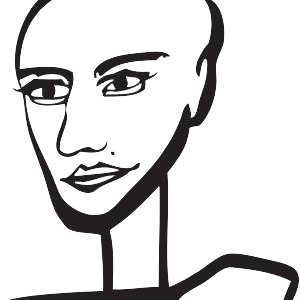
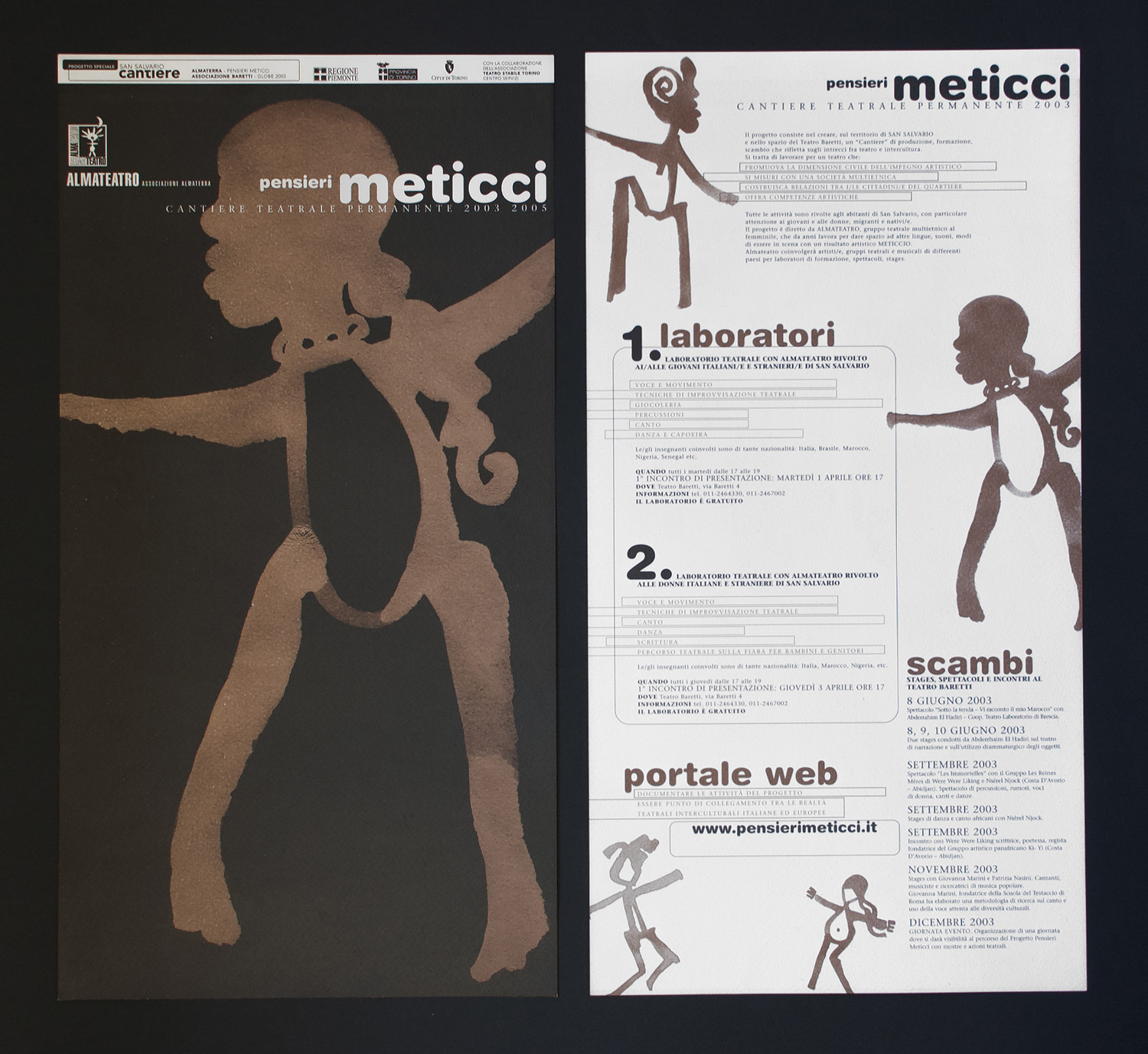
Questi disegni appartengono alla tipologia
calligrafica perché sono costituiti da un
unico tratto. Non contorni ma silhouette bidimensionali che per loro
stessa natura contengono un limite che, anziché costituire un vincolo,
aprono una porta a un modo più semplice di esplorare una figura
delegando tutto al mattone primitivo del tratto e accelerando la sua
esecuzione. E la velocità di esecuzione spesso regala sorprese. Un po’
come chiudere gli occhi e riaprirli per guardare cosa è successo sul
foglio.
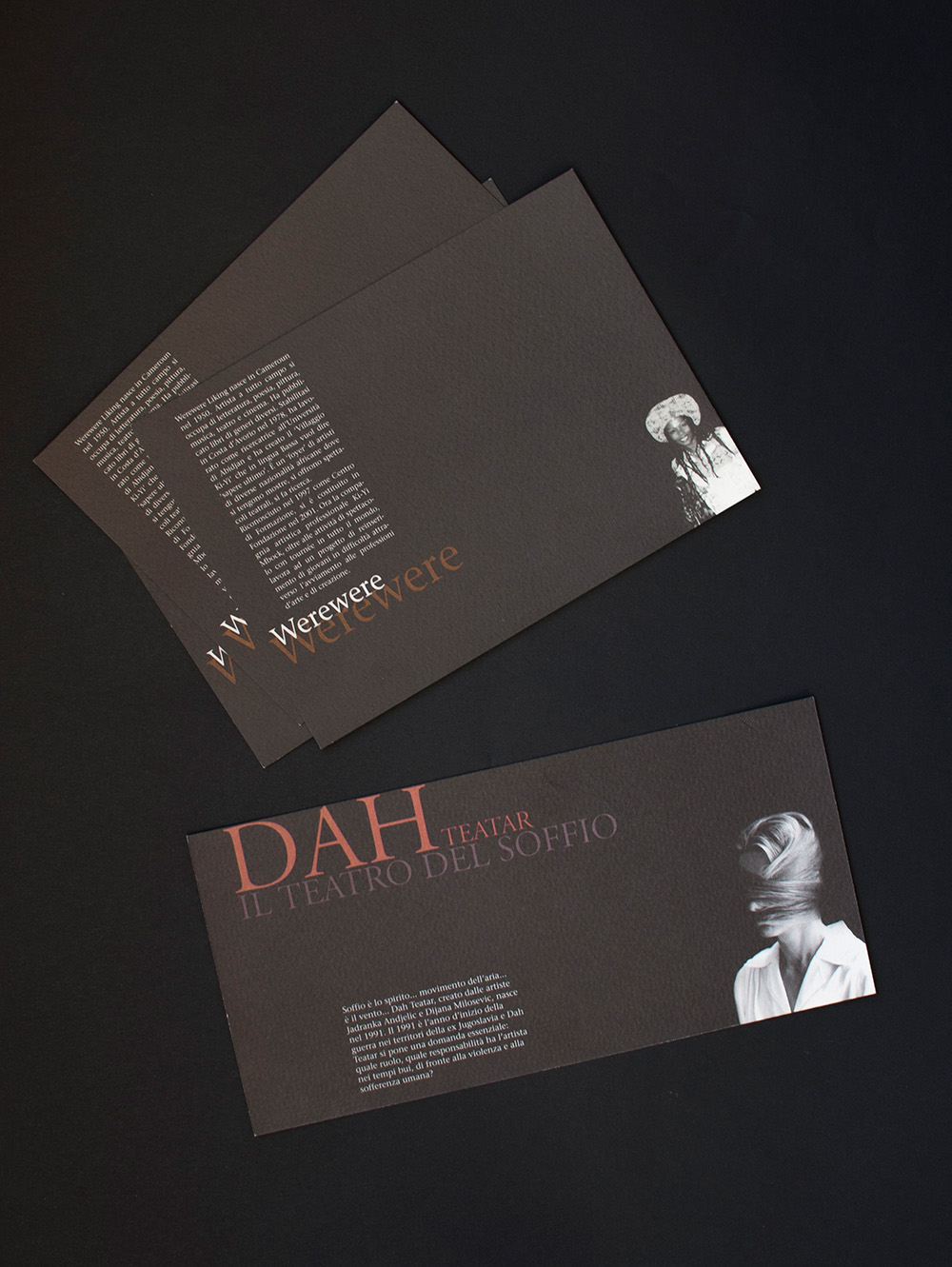
Questo cantiere teatrale permanente ha avuto in
programma diversi spettacoli sul tema del meticciato come intreccio tra
teatro e intercultura nello spazio del teatro Baretti.
These designs belong to the
calligraphic typology because they
consist of a single stroke. Not outlines but two-dimensional silhouettes
which by their very nature contain a limit which, instead of
constituting a constraint, open a door to a simpler way of exploring a
figure by delegating everything to the primitive brick of the stroke and
accelerating its execution. And the speed of execution often brings
surprises. A bit like closing your eyes and opening them again to see
what happened on the sheet.
This permanent theater
construction site has scheduled several shows on the theme of
crossbreeding as an intertwining of theater and interculture in the
space of the Baretti theater.
Scarti
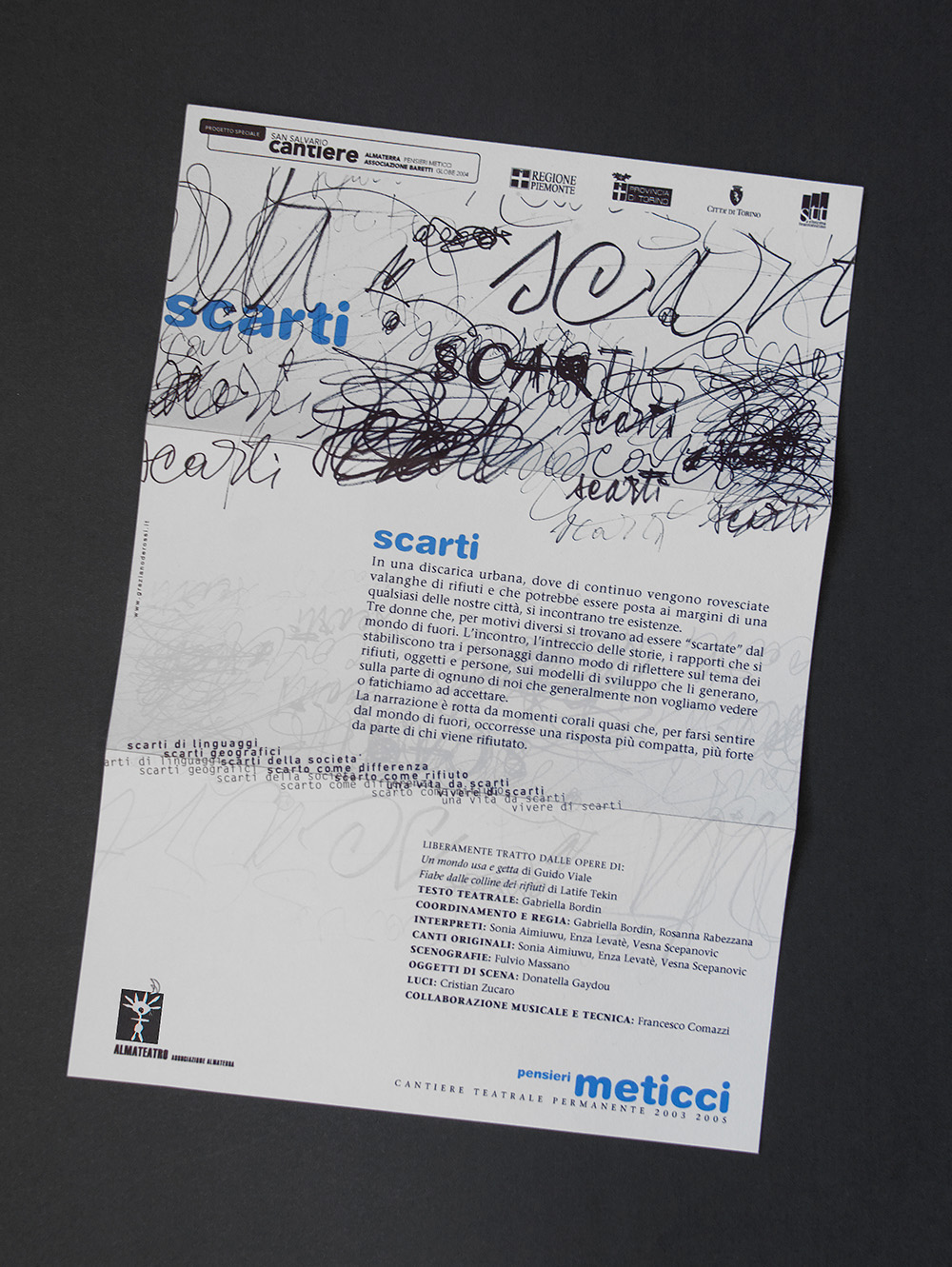
Come rappresentare uno scarto? Prendi un foglio, prendi una matita e
scrivi la parola scarti tante volte. Lo scarabocchio che ne è venuto
fuori è stato creduto brutto dalla totalità di persone alle quali mi
sono rivolto, motivo che mi ha spinto a utilizzarlo come immagine per
rappresentare un archetipico scarto. O anche solo tipico.
How to represent a discard? Take a piece of paper, take a pencil and
write the word discards many times. The scribble that came out was
considered ugly by all the people I asked, a reason that prompted me to
use it as an image to represent the archetypal discard. Or even just
typical.